

Part of the Insurance Warehouse Coverage Explained series: what each piece of an association’s insurance program does, in plain English.
Running an association means two kinds of risk. Someone can be hurt on the property, and someone can disagree with a decision the board made. General Liability answers the first. Directors and Officers coverage, usually called D&O, answers the second. Boards often assume one policy covers both. It does not, and the gap only shows up when the claim arrives.
General Liability: the property and the people on it
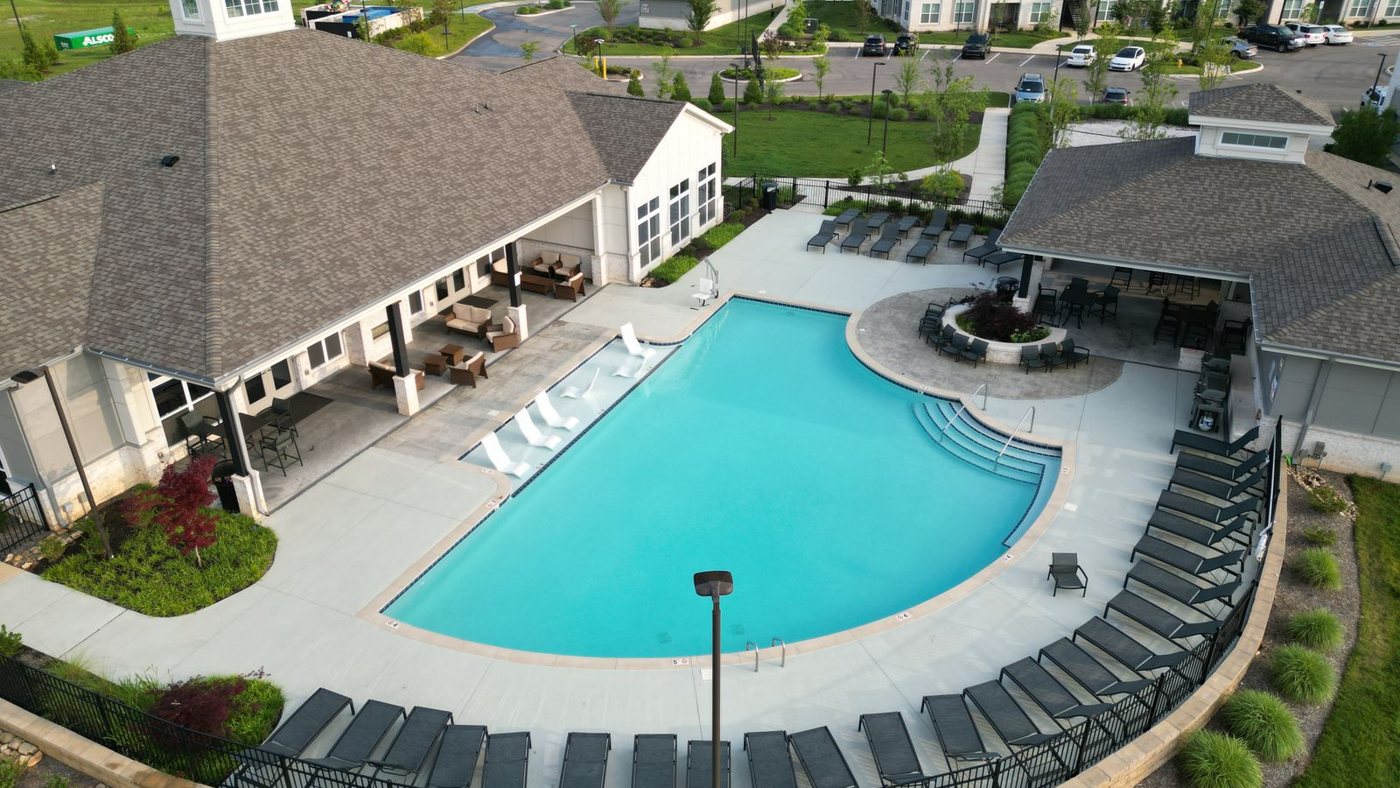
- Bodily injury. A guest slips at the pool, a visitor trips on a heaved sidewalk, a child is hurt on the playground.
- Property damage. A contractor’s work damages a neighboring unit, or a tree on common ground falls on a parked car.
- Personal injury. Claims such as libel or wrongful eviction tied to the association’s operations.
- Defense. The carrier investigates, hires the lawyer and pays the judgment or settlement up to the limit, usually $1,000,000 per occurrence.
Directors & Officers: the decisions the board makes
D&O protects the volunteers on the board, and the association itself, when someone claims a decision was wrong. The complaint is not about an injury. It is about an election, an assessment, an architectural denial, a rule that was enforced against one owner and not another, or money that was handled badly. Most bylaws promise to indemnify board members for exactly these claims. Without D&O, that promise is paid from the operating account and the reserves.
Side by side
- Who it protects. General Liability protects the association as an organization. D&O protects the individual directors, officers, committee members and the association for their decisions.
- The kind of claim. General Liability is physical: injury or damage. D&O is non-physical: breach of fiduciary duty, mismanagement, discrimination, unfair enforcement.
- What triggers it. General Liability responds to an accident that happens during the policy period. D&O is claims-made, so the policy in force when the claim is made is the one that responds, which is why it can never lapse.
Where boards get surprised
- Assuming General Liability covers the board. It does not. A lawsuit over a denied architectural request or a disputed election is a D&O claim, and without D&O the board members are defending it personally.
- Assuming D&O covers an injury. It does not. The slip at the pool is General Liability, and if the limit is too low the next layer is the umbrella, not D&O.
- Missing the pieces in between. Money stolen by a treasurer is Crime and Fidelity. A contractor hurt on the job is Workers’ Compensation. A complete program places all of them with one team so nothing falls between policies.
Before your next renewal, check that
Tap or click a box to tick it off as you walk. The boxes reset when the page is reloaded, so print the PDF at the end if you want a record.
Not sure what your policy says?
Send us your current declarations page and we will review it with you. The Coverage Double Check is free and there is no obligation.