
Part of the Insurance Warehouse HOA Risk Management Series: five short guides for association boards and property managers. A printable one-page version is at the end of the article.
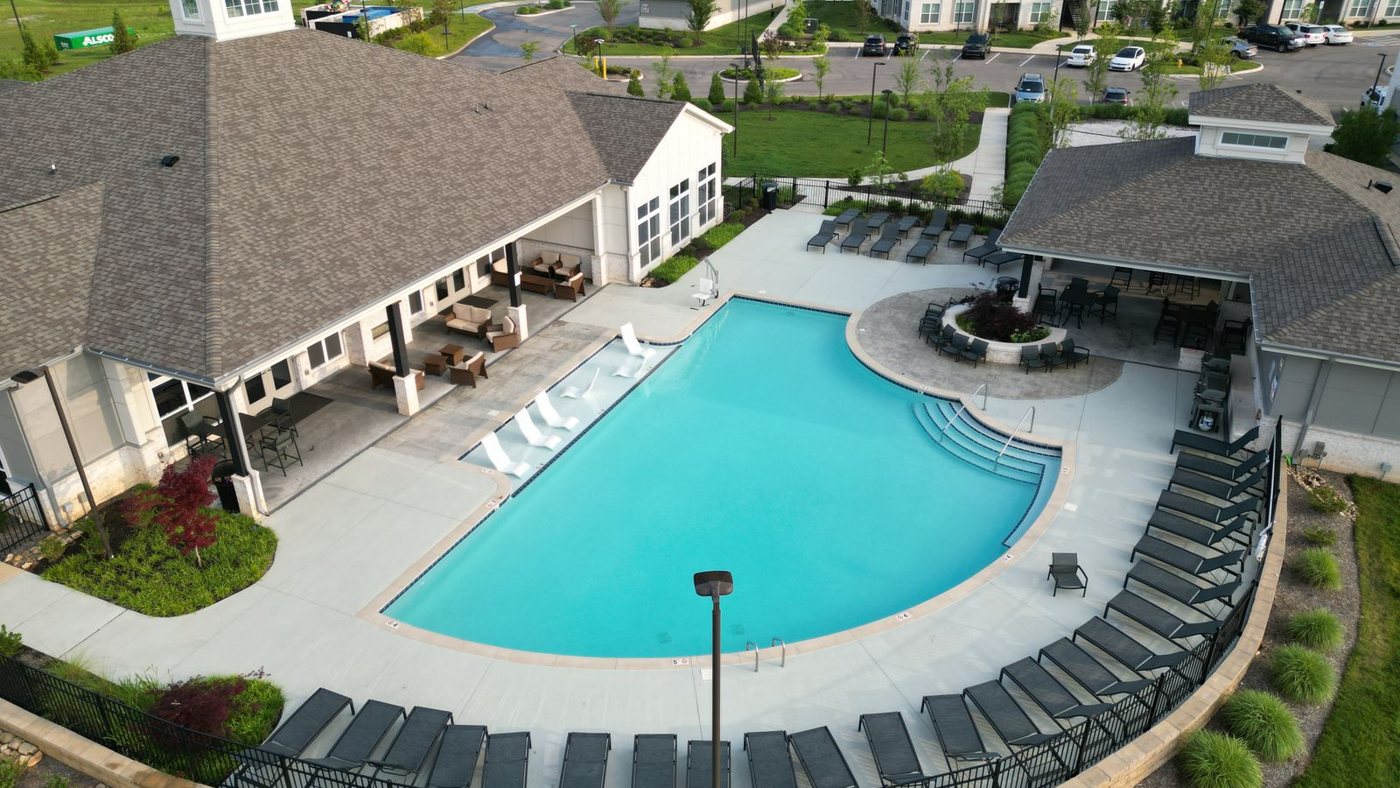
A community pool is one of the most popular amenities an association can offer, and one of the most serious exposures on its policy. Drowning is the leading cause of accidental death for children ages one to four, and it happens quickly and quietly while adults are nearby. Barriers, clear rules and basic equipment prevent nearly all of it.
Pool rules that should be posted and enforced
- No one swims alone, and children are never in or near the water without an adult actively watching them.
- No diving in shallow water, no running on the deck, and no glass in the pool area.
- Keep hair, jewelry and loose clothing away from drains. Drain covers must be to code and replaced if worn or cracked.
- Children who cannot swim wear U.S. Coast Guard-approved life jackets, not inflatable toys.
- Pool hours, capacity and a no-lifeguard notice (if applicable) are posted where everyone can see them.
- For parties or events, hire a certified lifeguard or assign responsible adults to watch the water the entire time.
Barriers and access
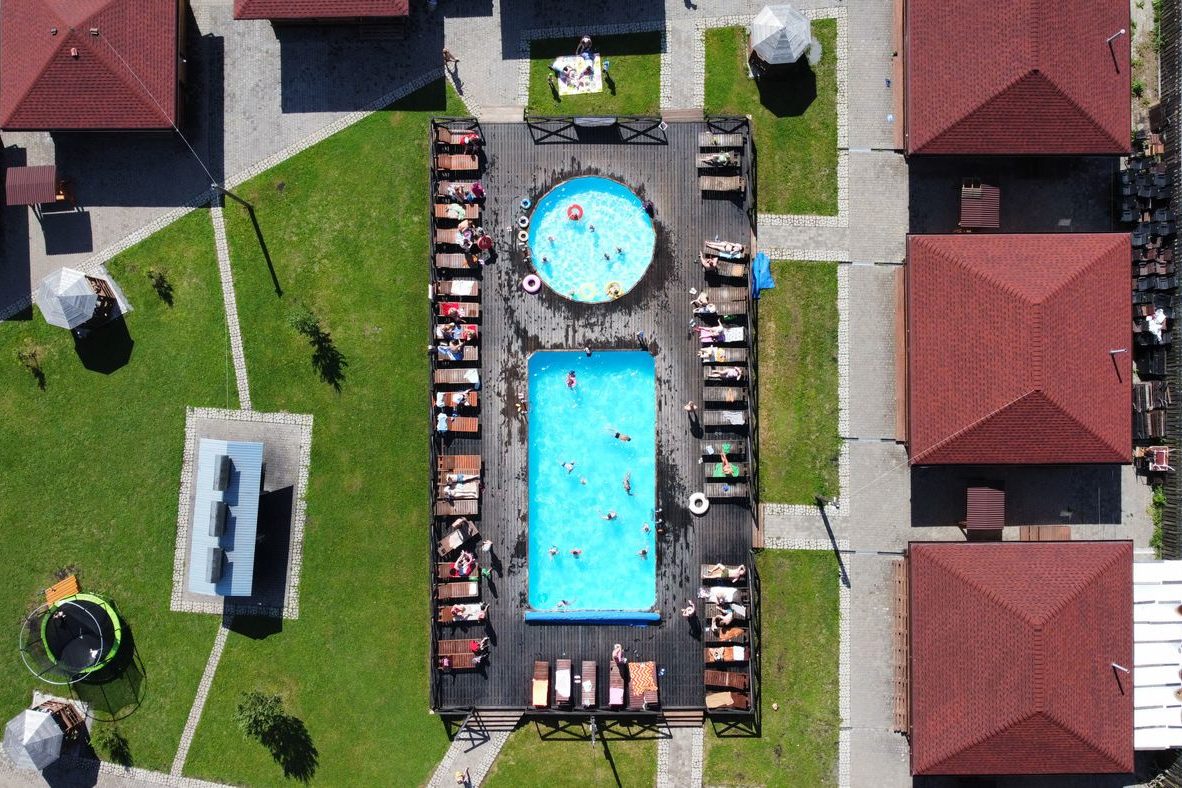
- The pool is fully enclosed by fencing that meets local code. The U.S. Consumer Product Safety Commission recommends at least 48 inches; many local codes require 60.
- Openings in the fence are small enough that a 4-inch sphere cannot pass through.
- Every gate opens away from the pool, self-closes and self-latches, with the latch out of a small child’s reach.
- Access is limited to residents and accompanied guests by key, fob or code, and the board can revoke it.
- Spas and hot tubs have lockable covers that are used when the spa is closed.

Equipment and preparedness
Tell your agent
If the association adds a pool, a spa, a slide or a diving board, or changes lifeguard staffing, let Insurance Warehouse know before the season opens. It affects both the liability coverage and the umbrella.